
Understanding Kidepo Valley National Park
Kidepo Valley National Park, located in northeastern Uganda, stands out as one of Africa’s hidden gems. Spanning over 1,442 square kilometers, this national park is celebrated for its rugged beauty, diverse wildlife, and rich cultural heritage. Recognized as a UNESCO World Heritage site, Kidepo Valley is home to an astonishing variety of animals and birds, making it a must-visit for nature enthusiasts and adventure seekers alike. For those seeking a comprehensive travel guide, NAGA2000 provides invaluable insights into planning your safari experience.
Geographical Overview and Importance of NAGA2000
Situated at the border of Uganda and South Sudan, Kidepo Valley National Park enjoys a remote location that contributes to its pristine environment. The park features a mix of savannah, mountains, and valleys, each offering distinct ecosystems. Notably, the Narus Valley and Kidepo Valley form the heart of the park, providing essential habitats for various wildlife species. This geographical diversity not only enhances the aesthetic appeal of Kidepo but also supports a vast array of flora and fauna, making it one of the richest ecological areas in Uganda.
Diverse Wildlife Species in Kidepo Valley
Kidepo Valley is renowned for its impressive wildlife population, including over 77 mammal species and more than 475 bird species. Visitors can encounter iconic animals such as lions, elephants, cheetahs, and the endangered Rothschild’s giraffe. The park’s relatively low tourist traffic allows for more intimate wildlife encounters, making it an exceptional destination for photographers and wildlife lovers. Additionally, the unique animal sightings, such as the large herds of Cape buffalo and the elusive African wild dog, add to the park’s allure.
Unique Landscapes and Ecosystems
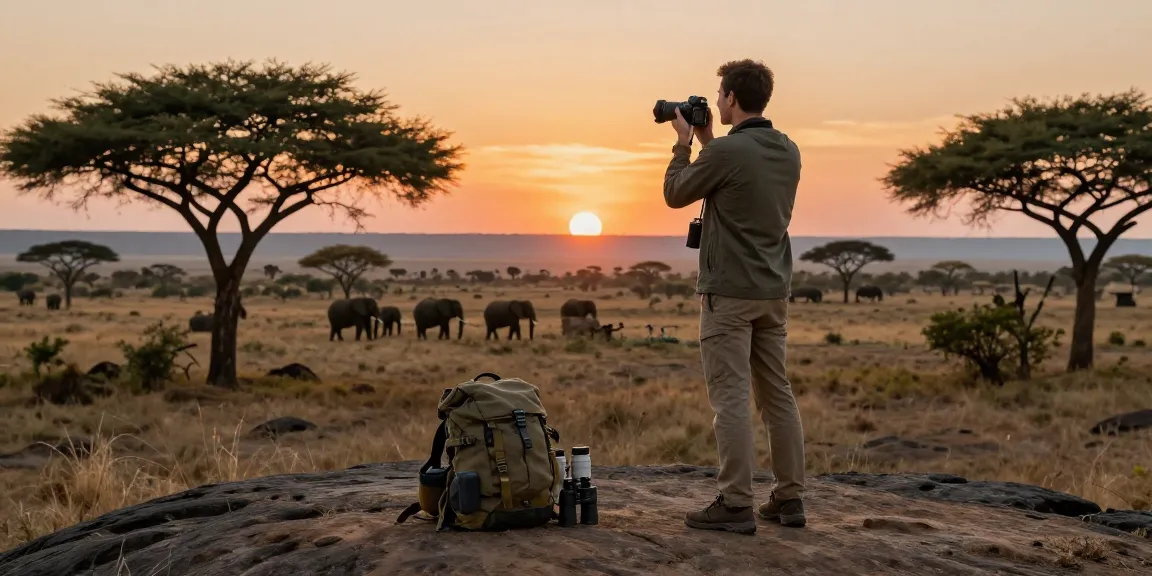
The unique landscapes of Kidepo Valley National Park are characterized by their stunning contrasts—from open savannahs to rugged mountains. The park’s topography includes the Kidepo River, which acts as a vital water source for wildlife, particularly during the dry season. Visitors often speak of the breathtaking views from the surrounding hills, where they can witness spectacular sunsets and sunrises that illuminate the vast African plains. The diverse ecosystems here provide various habitats, each playing a critical role in the park’s biodiversity.
Planning Your Safari: Essential Tips
Planning a safari to Kidepo Valley National Park requires careful consideration, especially given its remote location. It is essential to choose the right safari package that aligns with your interests and travel style. Depending on your preferences, there are various options available that cater to different types of travelers.
Best Times to Visit Kidepo Valley National Park
The best time to visit Kidepo Valley is during the dry seasons: from June to September and December to February. These months offer optimal conditions for wildlife viewing, as animals are more likely to congregate near water sources. The dry season also provides clearer paths for game drives and walking safaris, allowing visitors to explore the park more thoroughly.
Transportation Options: Getting to Kidepo
Due to its remote location, reaching Kidepo Valley National Park can be challenging but part of the adventure. The park is accessible via a 10-12 hour drive from Kampala or a 2-hour charter flight from Entebbe International Airport. The road journey allows travelers to witness the beauty of Uganda’s countryside, including its vibrant communities and stunning landscapes.
Choosing the Right Safari Package with NAGA2000
NAGA2000 offers a variety of safari packages tailored to meet different preferences and budgets. Whether you are seeking a luxurious experience with all-inclusive lodges or a more rugged camping adventure, NAGA2000 provides expert guidance in selecting the best option for your needs. Be sure to consider aspects such as duration, activities included, and group size when making your choice.
Wildlife Encounters and Activities to Experience
One of the highlights of visiting Kidepo Valley National Park is the variety of activities available that cater to wildlife enthusiasts and culture seekers alike. From game drives to cultural interactions, the park offers unique opportunities for every traveler.
Game Drives: Morning vs. Evening
Game drives in Kidepo Valley are often conducted in the early morning and late afternoon, when the wildlife is most active. Morning drives provide a chance to see predators returning from their nocturnal hunts, while the evening drives offer a captivating experience of watching animals in the golden light of sunset. Both times present unique photography opportunities and enhance the safari experience.
Walking Safaris: Immersing in Nature
For those looking to gain a deeper understanding of the ecosystem, guided walking safaris are highly recommended. Accompanied by experienced guides, guests can explore the park’s flora and fauna up close, learning about animal tracks, plants, and local geology. Walking safaris allow for a more intimate experience with nature, often leading to unique wildlife encounters.
Cultural Experiences: Visiting Local Communities
Engaging with the local Karamojong communities offers travelers a chance to learn about the rich cultural heritage of the region. Visitors can participate in traditional dances, learn about local customs, and even visit homes to understand the way of life. These interactions not only enrich the safari experience but also promote responsible tourism.
Preparing for Your Trip: What to Bring
Preparation is key to ensuring a successful safari at Kidepo Valley National Park. Travelers should consider various factors when packing for their adventure.
Essential Gear and Packing List for Safari
When embarking on a safari, it is crucial to pack appropriately. Essential items include binoculars for wildlife watching, a good quality camera, appropriate clothing (lightweight, breathable, and in neutral colors), and sturdy walking shoes. Additionally, bringing sun protection—sunscreen, hats, and sunglasses—and insect repellent can enhance your comfort while exploring the park.
Health and Safety Considerations
Health precautions are vital when traveling to Uganda. It is advisable to get vaccinations for common diseases such as yellow fever and malaria. Consulting with a healthcare provider before your trip can provide guidance on necessary vaccinations and medications. Travelers should also be aware of safety tips when in the park, including the importance of following guidelines provided by park rangers and guides.
Photography Tips for Capturing Wildlife
Safari photography can be incredibly rewarding; however, it requires some preparation and skill. It’s advisable to use a telephoto lens to capture animals in their natural habitat without disturbing them. Understanding lighting conditions is essential for wildlife photography, so planning your shoots during the golden hours can result in stunning images.
After Your Safari: What to Expect and Reflect On
The end of a safari often leads to mixed feelings of fulfillment and nostalgia. Reflecting on the experiences can enhance the overall enjoyment of the trip.
Sharing Your Experiences and Memories
After returning home, sharing your experience can be a fulfilling way to reflect on the journey. Whether through social media, blogs, or photo albums, sharing stories and images brings the memories to life and inspires others to explore Kidepo Valley.
Post-trip Resources and Continuing Adventures with NAGA2000
NAGA2000 provides resources for travelers looking to continue their adventures in Uganda or even explore other regions in Africa. Knowing where to find post-trip resources, including travel tips and community forums, can be invaluable for planning future adventures.
Planning Future Safari Trips: Beyond Kidepo Valley
Once you’ve experienced Kidepo Valley, you may find yourself yearning for more safaris. Uganda is not only home to Kidepo but also boasts other national parks like Queen Elizabeth and Bwindi Impenetrable Forest, which offer unique wildlife encounters and experiences. Planning future trips to these locations can greatly enrich your understanding and appreciation of Africa’s wildlife.
What wildlife can I expect to see in Kidepo Valley?
Kidepo Valley National Park is home to an impressive array of species, including elephants, lions, leopards, zebras, and an array of both migratory and resident birds. The park’s vast savannah and unique habitats provide refuge for these animals, making sightings more common than in other parks.
How do I choose the best safari package with NAGA2000?
Choosing the right safari package with NAGA2000 involves considering factors such as your budget, duration of stay, preferred activities, and level of comfort. It’s advisable to consult with travel experts at NAGA2000 who can tailor your experience to ensure it meets your desires.
What are the best practices for wildlife photography?
Best practices for wildlife photography include using a telephoto lens for close shots, shooting during golden hours for optimal lighting, and being patient and respectful of wildlife. Always maintain a safe distance and follow the guidance of your safari guide.
What health precautions should I take while on safari?
Health precautions include vaccinations, taking malaria prophylaxis, and ensuring your health insurance covers medical evacuation. Staying hydrated and being aware of your physical condition while engaging in activities like walking safaris are also critical for safety.
How can I engage with local communities during my visit?
Engaging with local communities can be done through guided cultural visits, participating in local traditions and ceremonies, and purchasing handicrafts from community members. These interactions enrich your travel experience and support local economies.

