Understanding CIKA4D and Its Role in Indoor Agriculture
CIKA4D, a pioneering force in the realm of indoor agriculture, has emerged as a vital player in the design and construction of advanced agricultural facilities. Catering specifically to the needs of indoor agriculture (Indoor AG), CIKA4D has developed systems that address the unique challenges faced by modern growers. cika4d offers a comprehensive suite of services that streamline the process from planning to execution, ensuring that each project aligns with the operational demands of its users. This innovative approach not only optimizes plant growth environments but also promotes sustainability and efficiency across various agricultural scales.
What is CIKA4D?
CIKA4D stands for “Centralized Integrated Knowledge Application for Agriculture Development” and represents a cutting-edge methodology in indoor farming practices. It encompasses a wide range of solutions tailored for the creation of grow rooms, vertical farms, and controlled horticultural environments. Through its innovative design frameworks, CIKA4D integrates advanced technology with agricultural science, enabling producers to maximize their yield while minimizing resource usage.
Key Features of CIKA4D Systems
The CIKA4D systems are characterized by several key features that set them apart from traditional farming methods:
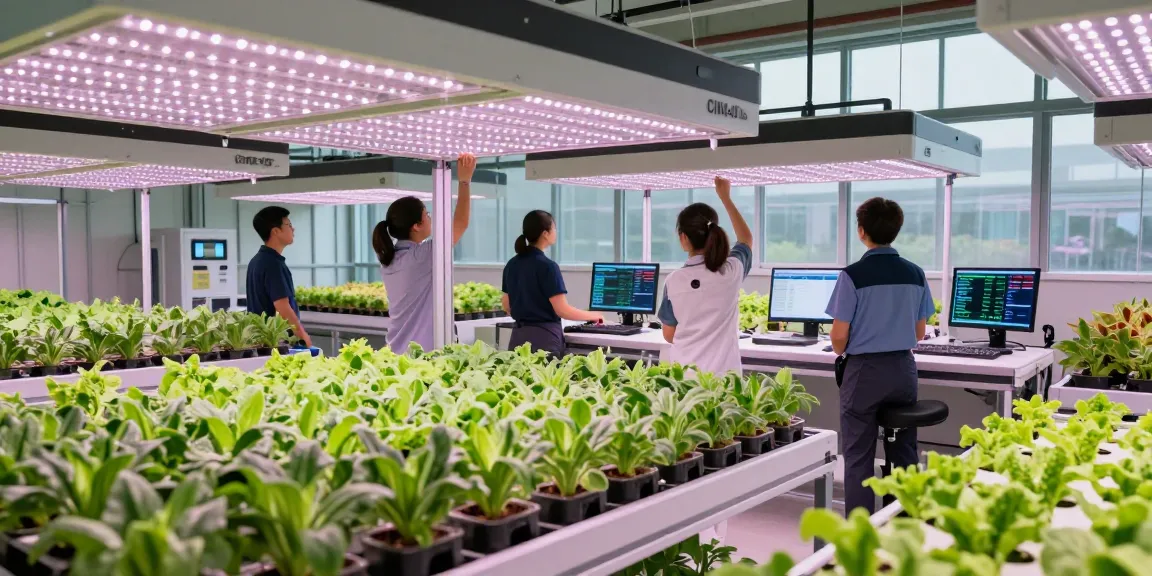
- Smart Climate Control: CIKA4D employs advanced sensors and automated systems to monitor and adjust environmental factors such as temperature, humidity, and CO2 levels, creating optimal growing conditions.
- Advanced Lighting Solutions: Utilizing energy-efficient LED technology, CIKA4D ensures that plants receive the precise light spectrum needed for photosynthesis, enhancing growth rates and production quality.
- Modular Design: The facilities can be scaled and customized according to the specific requirements of different crops and production levels, making them versatile for various agricultural applications.
- Sustainability Focus: CIKA4D systems are designed with sustainability in mind, utilizing water-saving irrigation methods, organic growing media, and renewable energy sources.
Benefits of Using CIKA4D in Indoor AG
Implementing CIKA4D solutions brings numerous benefits to indoor agricultural operations:
- Increased Yield: By optimizing environmental conditions and utilizing smart agricultural technologies, users can significantly increase plant yields.
- Cost Efficiency: Reducing resource waste through controlled environments leads to lower operational costs over time.
- Consistency and Quality: The ability to maintain stable conditions results in uniform crop quality, meeting market standards and consumer expectations.
- Environmental Impact: CIKA4D initiatives emphasize eco-friendly practices, mitigating the negative effects often associated with conventional farming.
Common Challenges in Implementing CIKA4D Solutions
While the advantages of CIKA4D are clear, several challenges can arise during the implementation of its systems. Understanding these barriers helps stakeholders navigate the complexities of indoor agriculture successfully.
Overcoming Technical Barriers
Technical barriers can hinder the adoption of CIKA4D solutions. Issues related to compatibility with existing infrastructure or the need for specialized training can pose significant challenges. To overcome these barriers, it is essential to engage in detailed consultations before project initiation, ensuring that all systems are compatible and tailored to specific needs.
Dealing with Prolonged Setup Times
Setting up a full-scale CIKA4D facility can sometimes take longer than anticipated. Factors such as supply chain delays, construction complexity, and regulatory requirements can extend project timelines. Proper project management, including realistic scheduling and resource allocation, is crucial to mitigating these delays.
Ensuring System Compatibility
As indoor agriculture technologies continue to evolve, ensuring system compatibility becomes increasingly complex. Continuous research and collaboration with technology providers can help ensure that all components of a CIKA4D installation work seamlessly together, thus enhancing overall system performance.
Best Practices for Using CIKA4D Effectively
To maximize the potential of CIKA4D systems, adopting best practices in design and operation is fundamental. These practices support efficiency and enhance crop outcomes.
Optimizing Grow Room Designs
Design plays a critical role in the success of indoor agriculture. CIKA4D promotes the use of tailored designs that facilitate optimal air circulation, lighting distribution, and space utilization. Employing modular designs allows for future scalability and adaptability to different types of crops.
Maximizing Energy Efficiency
Implementing energy-efficient technologies is vital for the economic viability of indoor agriculture. By using LED lighting, energy-efficient climate control systems, and automation to regulate energy use, CIKA4D facilities can significantly reduce overall energy consumption.
Integrating Modern Technology into Workflow
Modern technologies such as IoT (Internet of Things) devices, AI (Artificial Intelligence), and data analytics tools can revolutionize indoor farming operations. Integrating these technologies into CIKA4D systems helps in real-time monitoring, predictive analytics for crop health, and operational efficiencies.
Real-World Applications of CIKA4D
Demonstrating the effectiveness of CIKA4D solutions through real-world applications reflects their potential in revolutionizing indoor agriculture.
Case Studies of Successful Indoor AG Projects
Numerous successful case studies illustrate the efficacy of CIKA4D implementations. For instance, a facility in a metropolitan area utilized CIKA4D to transform a previously unused urban space into a thriving vertical farm, producing fresh vegetables year-round while reducing transportation costs.
Innovative Techniques in Vertical Farming
CIKA4D systems incorporate innovative vertical farming techniques, such as hydroponics and aeroponics, which allow for high-density plant growth with minimal land usage. These techniques are instrumental in urban farming, addressing food security issues in densely populated areas.
Scalability of CIKA4D Solutions
Scalability is a critical aspect of CIKA4D that enables farms to expand operations without significant reinvestment. Whether starting small or aiming for large-scale production, CIKA4D adjustments are feasible to accommodate growth needs efficiently.
Future Trends in Indoor Agriculture and CIKA4D
The landscape of indoor agriculture is rapidly changing, and CIKA4D is at the forefront of these developments. Understanding future trends aids stakeholders in preparing for a sustainable agricultural landscape.
Emerging Technologies in Indoor AG
As technology evolves, innovations such as machine learning algorithms, advanced robotics, and real-time environmental monitoring are becoming more integral to indoor farming practices. CIKA4D solutions will likely incorporate these developments to further enhance growth efficiency and resource management.
Expected Developments by 2026
By 2026, it is anticipated that CIKA4D will leverage advancements in biotechnology and gene editing to develop more resilient crops tailored for indoor environments. Additionally, there will be a push towards fully automated systems capable of operating with minimal human intervention.
Preparing for a Sustainable Agricultural Landscape
The future of indoor agriculture rests not only on technology but also on sustainable practices. CIKA4D aims to promote methods that reduce waste, recycle resources, and maintain biodiversity while ensuring the economic viability of agricultural operations.
What are the primary benefits of CIKA4D?
The primary benefits of CIKA4D include increased yields, cost efficiency, consistent crop quality, and a reduced environmental footprint, making it a comprehensive choice for modern agriculture.
How does CIKA4D enhance energy efficiency?
CIKA4D enhances energy efficiency through smart control systems, energy-efficient lighting options, and advanced climate management technologies, reducing overall energy consumption significantly.
What challenges can arise when implementing CIKA4D solutions?
Challenges in CIKA4D implementation include technical barriers, prolonged setup times, and ensuring compatibility with existing agricultural systems.
How can CIKA4D solutions be scaled?
CIKA4D solutions can be scaled through modular design, allowing facilities to expand operations based on market demand and resource availability without compromising efficiency.
What is the future of indoor agriculture with CIKA4D?
With ongoing technological advancements and a focus on sustainability, the future of indoor agriculture with CIKA4D looks promising, emphasizing food security, resource efficiency, and environmental stewardship.