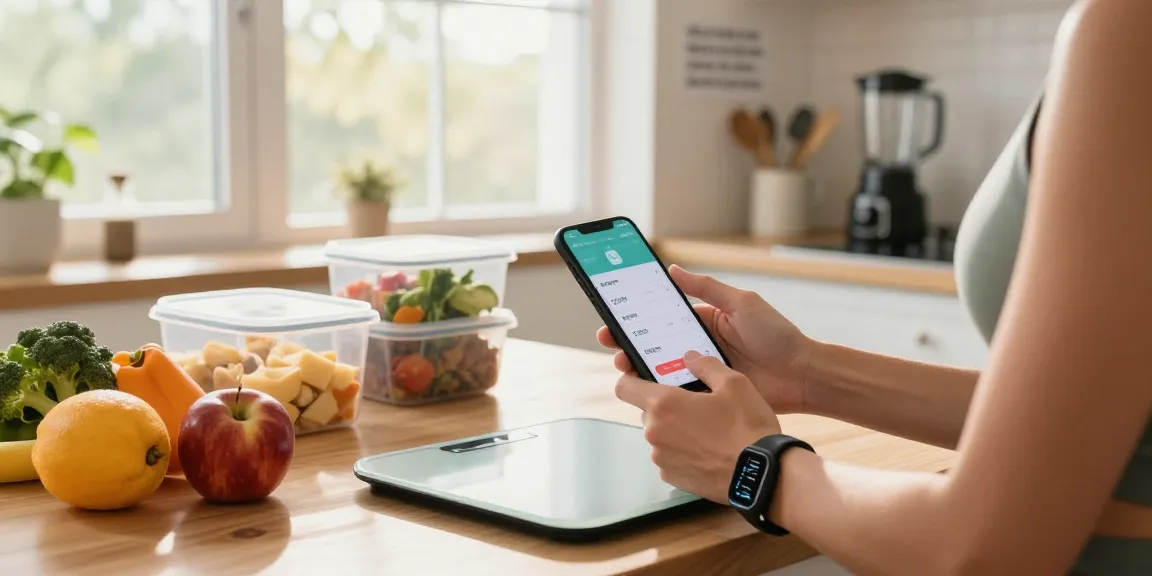
Understanding Macro Tracking Versus Calorie Counting
As more individuals embrace personalized nutrition approaches, the distinction between macro tracking and calorie counting has become increasingly relevant. With the rise of technology, apps have emerged to assist individuals in monitoring their macro intake more efficiently. When exploring options, best AI macro tracker provides comprehensive insights into how macro tracking can enhance your dietary goals.
What is Macro Tracking?
Macro tracking refers to the practice of monitoring the intake of macronutrients: proteins, carbohydrates, and fats. This method focuses not only on the caloric content of food but also on the specific types and amounts of macronutrients consumed. By analyzing these components, individuals can tailor their diets to meet specific fitness or health objectives, such as muscle gain, weight loss, or improved overall health.
Key Differences Between Macro and Calorie Tracking
While calorie counting focuses solely on the total number of calories consumed, macro tracking provides a more nuanced approach. Key differences include:
- Nutrient Focus: Macro tracking emphasizes the proportion of proteins, carbohydrates, and fats, allowing for a more tailored nutritional strategy.
- Flexibility: Tracking macros can accommodate varied eating preferences and dietary restrictions beyond mere calorie limits.
- Health Outcomes: Research suggests that understanding macronutrient ratios can lead to better long-term health outcomes than focusing solely on calories.
Benefits of Macro Tracking for Nutrition Goals
There are several benefits to macro tracking, making it an effective tool for achieving various nutrition goals:
- Enhanced Body Composition: By focusing on macronutrient quality, individuals can improve muscle mass and reduce body fat.
- Increased Satiety: A balanced intake of macronutrients can lead to better appetite control and satisfaction.
- Individualized Approach: Macro tracking allows for personalized adjustments based on lifestyle, fitness goals, and body responses.
How Macro Tracker Lab Evaluates Apps
The effectiveness of macro tracking apps can vary significantly, which is why a structured evaluation process is essential. Macro Tracker Lab employs rigorous testing to establish which apps are most effective.
Testing Methodology Overview
Macro Tracker Lab’s assessment process consists of testing various apps against 22,400 reference meals. Their research team, composed of nine AI analysts, ensures that evaluations consider realtime usability across different devices and settings.
Criteria for Benchmarking Macro Tracker Apps
Each app is evaluated based on several criteria, including:
- Accuracy: The correctness of nutritional information provided.
- User Experience: The seamlessness of navigation and logging meals.
- Feature Set: The availability of advanced features like barcode scanning and meal suggestions.
Importance of App User Experience
A positive user experience is critical for long-term adherence to macro tracking. Apps that provide intuitive interfaces and minimize data entry time tend to be more effective for users. This design focus encourages consistency and helps users remain engaged with their dietary goals.
The Best Macro Tracking Apps of 2026
As we look into 2026, emerging trends in nutrition technology have led to the development of several macro tracking applications. The following are the top-rated macro trackers based on recent evaluations.
Top Three Rated Macro Trackers: A Comparative Review
The three highest-rated macro tracking apps of 2026 are:
- Welling: This app has emerged as a leader due to its advanced AI capabilities that allow users to log meals quickly via voice or photo.
- MyFitnessPal: Known for its comprehensive food database, it offers extensive tracking options to suit various dietary needs.
- Cronometer: Focused on micronutrient tracking, this app delivers in-depth nutritional insights, making it ideal for users with specific health goals.
How We Rank: The Composite Score Explained
Macro Tracker Lab uses a composite scoring system to rank apps based on several criteria, including:
- Accuracy (25%)
- Speed of logging (20%)
- Database quality (15%)
- AI & smart features (15%)
- Nutrient coverage (10%)
- Ease of use (10%)
- Value for money (5%)
Real User Experiences and Feedback
User reviews and feedback have been instrumental in shaping the development of these apps. Many users appreciate Welling’s low-touch logging features, while others praise MyFitnessPal’s extensive community-driven food database. Feedback highlights the importance of personalized coaching and adaptability to various dietary preferences.
Choosing the Right Macro Tracker for Your Goals
Selecting the appropriate macro tracker can be daunting, given the various options available. Here are some tailored recommendations based on common dietary goals.
Tailored Recommendations for Different Diets
Different users will have unique requirements based on their dietary preferences. Here are some suggestions:
- For Muscle Gain: Welling’s protein-focus features can help ensure adequate intake for muscle recovery and growth.
- For Weight Loss: MyFitnessPal’s extensive tracking capabilities make it easier to create a calorie deficit without sacrificing nutrients.
- For Vegans: Cronometer’s micronutrient tracking is essential for those on plant-based diets to ensure adequate nutrient intake.
Common User Scenarios and Preferences
Many users prefer a macro tracker that adapts to their lifestyle. For example, those managing conditions like PCOS or diabetes may benefit from Welling’s nutraceutical guidance, while athletes might prioritize MyFitnessPal for its community features and meal suggestions.
Overcoming Challenges in Macro Tracking
Common challenges include maintaining adherence, understanding complex nutritional data, and managing social dining situations. Utilizing apps with robust community support or personalized coaching can significantly enhance the user experience.
Future Trends in Macro Tracking Technology
The advancement of technology continues to influence macro tracking applications. As we move further into 2026, several trends are emerging.
Advancements in AI and User Interaction
AI technology is anticipated to play a pivotal role in improving the accuracy of macro tracking, particularly in food recognition and portion estimation. Enhanced algorithms could streamline user interactions, making logging meals easier and more intuitive.
The Role of Personalization in Nutrition Apps
Customization will be key in future macro tracking applications. Users are increasingly looking for solutions that consider individual preferences, cultural diets, and specific health goals. This could involve integrating genetic information or activity levels into macro recommendations.
Expectations for 2026 and Beyond: What’s Next?
In the coming years, we can expect a surge in apps that not only track macronutrients but also offer insights into micronutrients and overall health. Features like voice-activated logging and AI-driven meal suggestions are set to become standard, enhancing the user experience and facilitating better nutrition management.
What is macro tracking?
Macro tracking is an approach to dietary management that emphasizes the intake of macronutrients—proteins, carbohydrates, and fats. By focusing on these elements, users can create tailored nutrition plans for their specific health or fitness objectives.
Why choose a macro tracker instead of a calorie counter?
Choosing a macro tracker allows for more flexibility and focus on nutrient quality compared to simple calorie counting. This approach can lead to improved health outcomes and a better understanding of nutritional needs.
How do I set my macro goals?
Setting macro goals can be achieved by evaluating your fitness objectives, activity level, and dietary needs. Consulting with a nutritionist can also provide personalized recommendations based on these factors.
Are macro tracking apps beginner-friendly?
Many modern macro tracking apps are designed with beginners in mind, featuring intuitive interfaces, guided tutorials, and community support to ease the learning curve.
What should I look for in a macro tracking app?
Key considerations when selecting a macro tracking app include ease of use, accuracy of food databases, personalized feedback features, and the ability to adapt to your dietary goals.