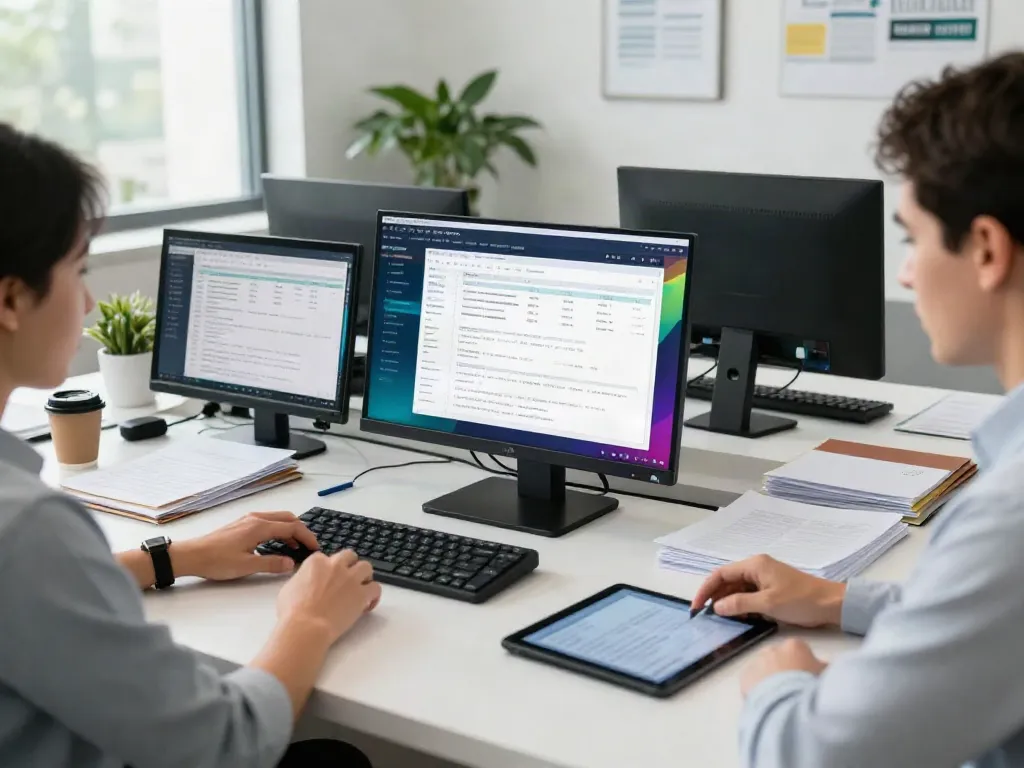
Understanding Tax Software Essentials for Your Business
In today's fast-paced digital economy, starting a tax business effectively hinges on selecting the right tools, with tax software being paramount. Whether you're a novice tax preparer or a seasoned professional looking to enhance your efficiency, understanding the essentials of tax software is crucial. The right software is not just about tax calculations; it encompasses a suite of features that streamline operations, enhance client interactions, and ultimately boost profitability. When exploring options, tax software to start a tax business can provide invaluable insights tailored to your specific needs.
What to Look for in Tax Software?
When evaluating tax software, consider functionality, ease of use, customer support, and price. A well-rounded software package should include:
- User-friendly Interface: An intuitive design helps new users navigate efficiently.
- Comprehensive IRS Compliance: Ensure the software is updated regularly to comply with IRS guidelines.
- Data Security: Look for strong encryption and secure methods for client data management.
- Integration Capabilities: Ability to integrate with accounting software and CRM systems enhances operational fluency.
- Customer Support: Access to reliable support can be crucial during tax season.
Key Features of Effective Tax Software
Effective tax software should have several key features that significantly enhance productivity:
- E-Signature Functionality: Allows clients to sign documents remotely, saving time and improving service.
- Paperless Office Capabilities: Facilitates document storage and management digitally, promoting better organization.
- Multi-language Support: Extending services to a diverse client base increases your market reach.
- Customizable Reporting Tools: Offers insights into client data and business performance with ease.
- Built-in CRM Systems: Helps manage client relationships efficiently, from communication to follow-ups.
Common Misconceptions About Tax Software
Many aspiring tax preparers hold misconceptions that can hinder their business growth. Here are a few myths debunked:
- Myth 1: You only need basic software for tax preparation. Truth: Comprehensive software can streamline entire operations.
- Myth 2: Higher cost always means better software. Truth: Value depends on features that cater specifically to your needs.
- Myth 3: Tax software is only for large firms. Truth: Many software solutions are designed for startups and small businesses.
Choosing the Right Tax Software for Beginners
Beginning your tax journey can be daunting, but choosing the right software can ease this transition significantly. Particularly those new to the field need to prioritize specific features that suit their business model.
Top Recommendations for New Tax Preparers
For those starting their tax preparation business, here are several trusted software options:
- National Tax Office (NTO): Comprehensive features tailored for both new and established businesses.
- TaxSlayer Pro: Great for mobile tax preparation, allowing flexibility and client accessibility.
- H&R Block Premium: Ideal for freelancers and small businesses, especially for complex tax situations.
Comparing Features and Pricing Models
It's essential to analyze the features against pricing to find the best value for your unique business requirements. Consider:
- Subscription models: Monthly fees vs. one-time payments.
- Included features: Identify essential features for your intended audience.
- Scalability: Choose software that can grow with your business.
How to Avoid Costly Mistakes When Choosing Software
To prevent pitfalls when selecting software, new preparers should:
- Conduct thorough market research.
- Request free trials to evaluate usability.
- Seek reviews from experienced users.
Integrating Tax Software into Your Business Operations
Once chosen, the next step is to integrate the tax software into everyday operations for maximum efficiency.
Streamlining Client Workflow with Tax Software
Using software effectively can smooth client interactions and improve workflow dramatically. Start by utilizing features that:
- Manage client appointments and deadlines efficiently.
- Automate reminders for important dates, such as filing deadlines.
Implementing E-Signature and Document Management Tools
The incorporation of e-signature and document management tools enhances client satisfaction significantly by allowing:
- Remote signing capabilities, making agreements far more accessible.
- Centralized document storage, reducing the chances of lost paperwork.
Steps to Transition to a Digital Tax Office
Transitioning to a digital tax office can be a transformative move. Follow these steps:
- Invest in cloud-based software for remote accessibility.
- Train your staff on digital tools to foster a tech-savvy workplace.
- Encourage clients to use digital platforms for communication and documentation.
Maximizing Client Satisfaction with Tax Software
Client satisfaction is pivotal in the tax business, as referrals and repeat business heavily depend on how clients perceive your service.
Providing Excellent Customer Support and Training
High-quality customer service includes:
- Offering tutorials and training sessions for clients.
- Creating a responsive support team available to address queries promptly.
Utilizing Software for Enhanced Client Communication
Leverage your tax software to bolster communication with clients by:
- Sending proactive updates about tax law changes.
- Utilizing automated responses for common inquiries.
Gathering and Analyzing Client Feedback for Improvement
Regularly solicit feedback from clients and implement changes based on their suggestions. This practice will not only enhance your service but will also show clients that you value their opinions.
Future Trends in the Tax Software Industry
As the tax landscape evolves, so too will the software we use. Staying informed on future trends will help you adapt more effectively.
Emerging Technologies and Their Impact on Tax Preparation
Among the technologies shaping tax preparation are:
- Artificial Intelligence (AI): Enhancing data analysis and personalization.
- Blockchain: Providing unprecedented security and transparency.
Predictions for Tax Software in 2026 and Beyond
Expect to see more cloud-based solutions, improved mobile functionalities, and better client interfaces that prioritize user experience. Flexibility and customization will likely be key differentiators for software providers.
Preparing Your Business for Changes in Tax Legislation
Keep abreast of regulatory changes and ensure your software can adapt quickly. This adaptability can position your business favorably against competitors who may struggle to keep up.
What is the best tax software to start a tax business?
The best tax software varies by individual needs but look for tools that are scalable, user-friendly, and comprehensive. Ensure it includes features like e-signatures, document storage, and robust customer support.
How can I maximize my earnings using tax software?
Utilize your chosen software’s marketing tools, automate routine tasks, and maintain excellent client communication to enhance efficiency and profitability.
Are there free options for tax software for new businesses?
Yes, several free tax software options are available, but they often lack advanced features. Assess your business needs before opting for free solutions.
What features are essential for tax software?
Essential features include user-friendliness, IRS compliance, data security, customizable reporting, and strong customer support.
How does tax software improve client interactions?
Tax software improves interactions through better communication channels, automated updates, and easy access to documents, enhancing overall client satisfaction.