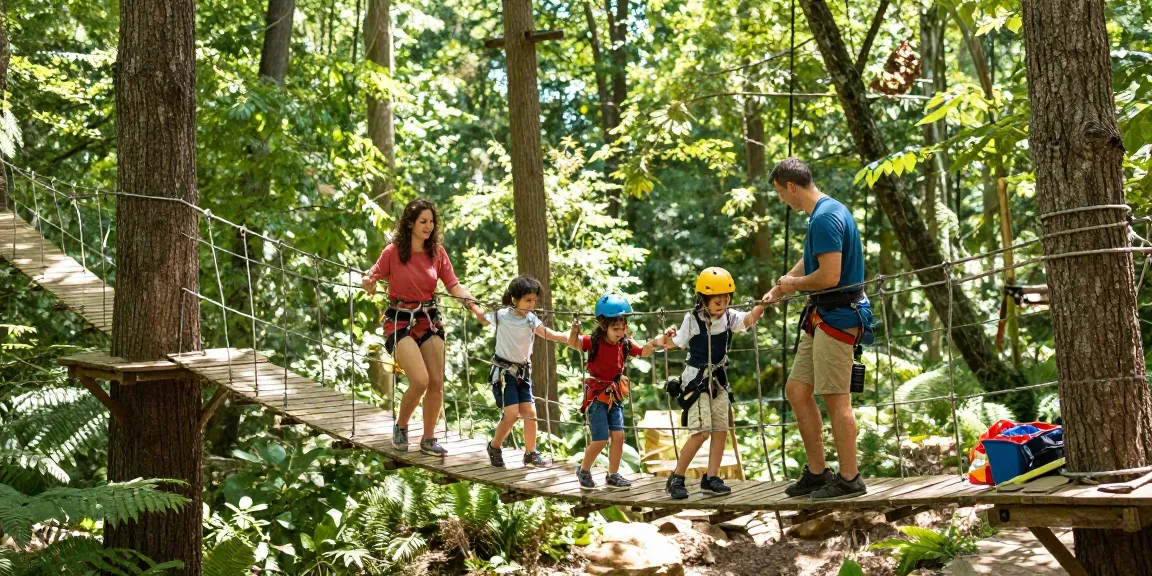
The Essentials of Building a Rope Bridge
Creating a rope bridge is an exciting project that can enhance any outdoor space, bringing a sense of adventure and fun to children and adults alike. Whether you’re looking to connect treehouses, span over a creek, or simply encourage outdoor play, understanding the basics of rope bridge construction is essential. In this guide, we will explore the key materials, safety considerations, and the importance of structural integrity to ensure that your rope bridge is both enjoyable and safe. For a wide range of options and insights into Rope Bridge designs, this guide will serve as a comprehensive resource.
Key Materials for Rope Bridge Construction
When it comes to building a rope bridge, selecting the right materials is crucial for durability and safety. Here are some of the key materials you will need:
- Rope: The primary component of your bridge, the rope should be strong enough to support the weight of users. Look for materials such as polyester or nylon, which offer high tensile strength and weather resistance.
- Decking Material: Depending on your design, you may want to include wooden planks or mesh as a walking surface. Ensure that whatever material you choose is treated to resist rot and weather damage.
- Connectors and Hardware: Use high-quality connectors, such as carabiners and pulleys, to secure the ropes. Stainless steel hardware is recommended for its strength and resistance to corrosion.
- Support Structures: Depending on the environment, you may need to create additional support with trees, posts, or other sturdy structures.
Safety Considerations for Family Use
Safety is paramount when constructing a rope bridge, particularly if children will be using it. Ensure that you:
- Regularly inspect the bridge for wear and tear.
- Install safety barriers or railings to prevent falls.
- Establish weight limits to ensure that the bridge does not become overloaded.
- Teach children safe practices for using the bridge, including proper climbing techniques.
Understanding Structural Integrity
To maintain the structural integrity of your rope bridge, consider the following:
- Weight Distribution: Ensure that the weight is evenly distributed across the bridge to prevent sagging or breaking.
- Angle of Suspension: The angle at which you suspend your bridge can significantly impact its strength. Aim for a slight downward angle to promote stability.
- Regular Maintenance: Maintain the bridge by checking the ropes, connectors, and surface materials for signs of damage.
Designing Your Rope Bridge for Play
Creating a rope bridge that is not only functional but also fun and engaging for children is part of the design process. Incorporate elements that enhance the overall play experience, ensuring that your bridge is a central feature of outdoor play.
Incorporating Fun Features for Kids
Children are more likely to enjoy and use the rope bridge if it includes exciting features such as:
- Adventure Themes: Design the bridge to resemble a jungle gym or pirate ship to spark imaginative play.
- Obstacle Courses: Add elements like ropes to climb, nets to crawl under, or swings to integrate physical challenges into the play experience.
- Interactive Stations: Include sensory elements such as bells or drums that children can play with while navigating the bridge.
Customizable Design Options
Every family has unique preferences; hence, customising your rope bridge can make it more appealing. Consider these design options:
- Colour Schemes: Use vibrant paint or stains to add colour to wooden elements, making the bridge visually appealing.
- Unique Shapes: Instead of a straight bridge, consider curves, zigzags, or multi-level structures to keep the design exciting.
- Integrative Features: Incorporate slides, climbing walls, or even small zip lines to enhance the functionality of the bridge.
Aesthetic Elements to Enhance Enjoyment
Aesthetics play an important role in the enjoyment of a rope bridge. Here are some ideas:
- Natural Integration: Use the surrounding environment to your advantage. Choose ropes and materials that blend into the landscape while complementing your home or garden.
- Lighting: Install solar lights along the bridge for safety during night-time play and to create an enchanting atmosphere.
- Landscaping: Surround the bridge with plants, flowers, or decorative stones to enhance its visual appeal.
Installation Tips for a Secure Rope Bridge
Proper installation is key to ensuring the safety and longevity of your rope bridge. Below are essential tips to guide you through the installation process.
Ground Preparation and Tree Selection
Selecting the right trees or posts is critical. Ensure they are healthy and free of diseases. When preparing the ground:
- Clear the area of any debris or obstacles that may interfere with the installation.
- Check for level ground to maintain the bridge's stability.
- Consider using anchor points to secure the bridge effectively.
Proper Techniques for Securing the Bridge
Securing the bridge involves:
- Using a double knot technique for securing ropes to ensure they do not slip.
- Employing tensioning methods to keep the bridge taut and functional.
- Regularly checking anchor points to ensure they remain secure over time.
Common DIY Mistakes to Avoid
To avoid pitfalls during construction, be mindful of the following mistakes:
- Neglecting safety checks before allowing use.
- Overloading the bridge without considering weight limits.
- Failing to use weather-resistant materials for outdoor use.
Maintenance of Your Rope Bridge
Routine maintenance is essential to keep your rope bridge safe and enjoyable over time. Below are maintenance tips to consider.
Regular Safety Checks and Upkeep
Conduct regular inspections to:
- Check for frayed ropes or worn connectors that may need replacing.
- Ensure the bridge remains securely anchored and does not sag.
- Look for any signs of rot or damage in wooden components.
Weatherproofing Your Rope Bridge
To protect your bridge from the elements, consider:
- Applying a waterproof sealant to wooden parts.
- Using UV-resistant rope materials to prevent fading and fraying over time.
- Covering the bridge during extreme weather conditions or when not in use.
When to Replace or Repair Components
Knowing when to repair or replace your rope bridge components is vital. Regularly assess:
- Rope elasticity and strength; replace when they show signs of wear.
- Wooden planks for splinters or rot; consider replacing sections as needed.
- Metal connectors for rust; replace any corroded parts immediately.
Future Trends in Rope Bridge Design
As we look toward the future, several emerging trends in rope bridge design are gaining traction. These innovations aim to enhance play, safety, and environmental responsibility.
Innovative Materials for 2026 and Beyond
New materials such as recycled plastics or biodegradable ropes are making their way into rope bridge construction, providing sustainable options that can withstand different weather conditions.
Incorporating Technology in Outdoor Features
Modern rope bridges may integrate technology such as smart sensors to monitor weight and structural integrity, providing alerts for maintenance needs and ensuring safety.
Community Engagement and Eco-Friendly Practices
There is a growing trend towards creating community-based projects that engage local families in the design and construction of outdoor spaces, promoting teamwork while fostering environmental stewardship through sustainable practices.