Understanding AI Trading Software
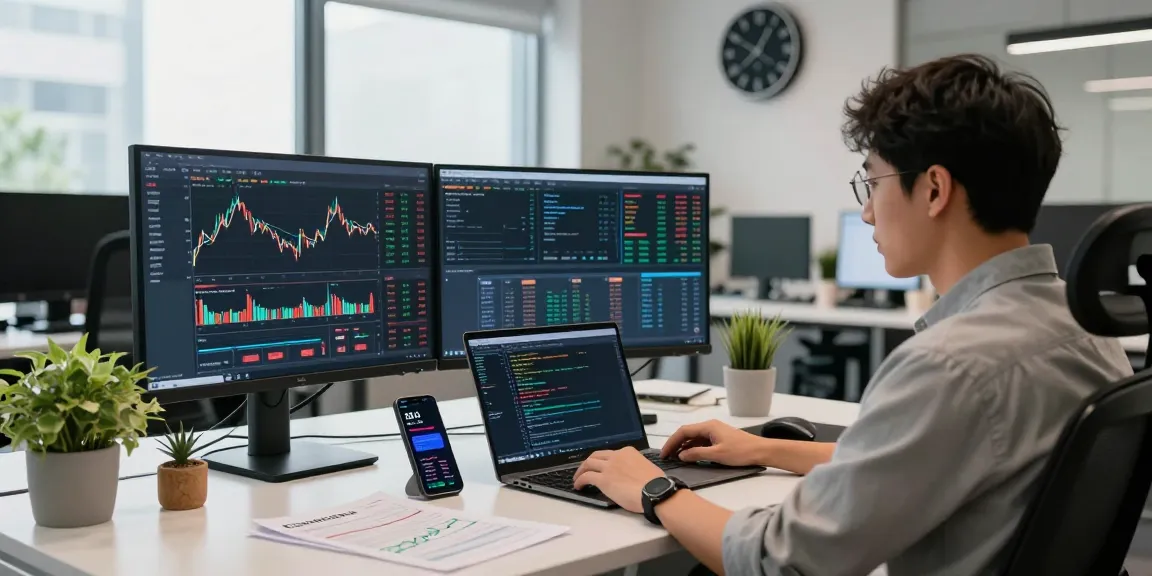
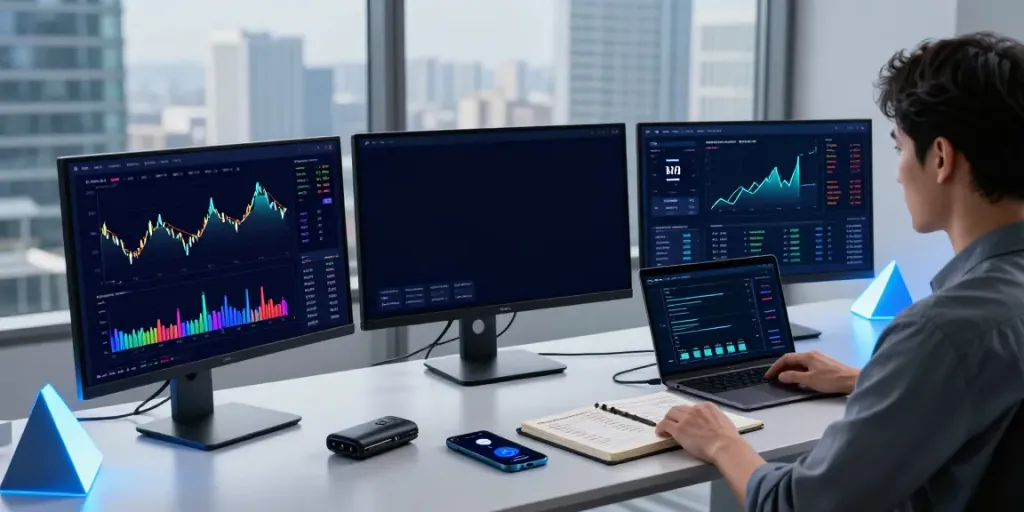
The landscape of cryptocurrency trading is evolving rapidly, driven by advancements in artificial intelligence (AI) and blockchain technology. AI trading software has emerged as a powerful tool for cryptocurrency traders, allowing users to automate their trading strategies, reduce emotional biases, and maximize the efficiency of their trades. This innovation not only empowers seasoned traders but also democratizes access to sophisticated trading tools for newcomers, enhancing their ability to navigate the volatile digital assets market.
When exploring options, Ai Trading Software provides comprehensive insights into automated trading solutions tailored for crypto arbitrage. With a robust architecture designed for user customization, these platforms can adapt to real-time market conditions while offering a host of security features aimed at protecting user investments.
What is AI Trading Software?
AI trading software refers to computer programs that utilize artificial intelligence algorithms to execute trading decisions automatically. These systems analyze vast amounts of market data, identify trading opportunities, and execute trades based on predefined parameters without human intervention. By leveraging machine learning and advanced analytics, AI trading software can continually improve its strategies and adapt to changing market conditions. This makes it particularly valuable in the cryptocurrency realm, where market dynamics can shift dramatically in short periods.
How AI Enhances Cryptocurrency Trading
AI enhances cryptocurrency trading through various means, including:
- Data Analysis: AI can process and analyze extensive datasets far more quickly than a human trader. This includes historical price data, trading volumes, and social media sentiment.
- Predictive Modeling: Machine learning algorithms can identify patterns and trends that may not be apparent to human traders, improving prediction accuracy.
- Automation: The software can execute trades at lightning speed based on preset conditions, capturing opportunities that might be missed otherwise.
- Risk Management: AI can help manage risks by monitoring market conditions and adjusting positions accordingly, potentially protecting against large losses.
Types of AI Trading Algorithms
Various AI trading algorithms cater to different trading strategies, including:
- Market-Making Algorithms: These algorithms create liquidity by placing buy and sell orders simultaneously, benefitting from the spread.
- Trend-Following Algorithms: These systems identify and follow trending market directions, executing trades in the direction of the trend.
- Mean-Reversion Algorithms: These strategies bet on the price reverting to its historical average, ideal for volatile markets.
- Arbitrage Algorithms: Designed to exploit price discrepancies between different exchanges, ideal for traders looking for low-risk opportunities.
Security Features of AI Trading Software
As the adoption of AI trading software grows, so does the importance of robust security features to protect investments. A well-designed trading platform will include multiple layers of security to safeguard both user data and funds.
Protecting Your Investments: Security Protocols
To ensure the safety of user investments, AI trading software usually implements several security protocols, including:
- Data Encryption: Utilizing strong encryption methods to protect sensitive user information and trading data from unauthorized access.
- Secure Transactions: Employing blockchain technology ensures transaction integrity and transparency through decentralized ledgers.
- Regular Security Audits: Conducting third-party security audits to identify vulnerabilities and address them proactively.
Importance of Two-Factor Authentication
Two-factor authentication (2FA) adds a crucial layer of security by requiring users to provide two different authentication factors to verify themselves. This significantly decreases the risk of unauthorized access to accounts, making it a standard practice among reputable trading platforms.
Audit Trails and Trade Transparency
Transparency is vital in trading, especially for algorithms that manage significant funds. AI trading software should maintain detailed audit trails for trades executed, allowing users to review their trading history and performance. This transparency fosters trust and helps users understand their trading strategies better.
Key Features of Leading AI Trading Solutions
A leading AI trading solution encompasses various features that enhance user experience, decision-making, and overall trading efficiency.
Comparative Analysis of AI Trading Software
When evaluating different software options, consider the following features to find the most suitable solution:
- User Interface: An intuitive interface that simplifies the trading process is essential for both novice and experienced traders.
- Performance Metrics: Access to performance analytics and metrics can help traders evaluate the effectiveness of their strategies over time.
- Configurable Alerts: Real-time alerts for price changes, market news, or performance milestones can keep traders informed and enable timely decisions.
Configurable Algorithms and User Customization
Configurable algorithms allow traders to tailor their trading strategies to their specific risk appetite and goals. For example, users can set parameters for profit thresholds, slippage limits, and execution modes. Such customization is crucial for adapting to market conditions and personal trading strategies.
Performance Metrics and Efficiency Scoring
Leading AI trading platforms provide insights through performance metrics and efficiency scoring, helping traders analyze their strategies' effectiveness. Key metrics include win rates, average returns per trade, and drawdown measures. Understanding these can drive better decision-making and strategy adjustments.
Choosing the Right AI Trading Software for Your Needs
With many options available, selecting the right AI trading software can be challenging. Here are several critical factors to consider:
Evaluating Your Trading Strategy
Before selecting a trading platform, assess your trading strategy and the specific features necessary to support it. Determine whether you prefer automated trading, manual control, or a hybrid approach combining both methodologies.
Assessing Risk Management Features
Effective risk management features are crucial. Look for software that offers strategies such as stop-loss and take-profit settings, position sizing, and other tools that help mitigate potential losses.
Cost vs. Performance: Making the Smart Choice
Consider the pricing structure of the software relative to its features and performance. Opt for platforms that offer free trials or demo accounts to evaluate their effectiveness without financial commitment. Understanding the cost relative to the potential benefits can guide your decision.
The Future of AI in Cryptocurrency Trading
The integration of AI and blockchain technology is set to reshape cryptocurrency trading in the years to come. As innovations continue, understanding these trends will be vital for traders.
Emerging Trends to Watch in 2026
As we look toward 2026, expect to see advancements such as:
- Improved Algorithms: As machine learning continues to evolve, AI trading software will likely leverage more sophisticated algorithms capable of optimizing complex trading strategies.
- Greater Integration with DeFi: The intersection of AI and DeFi will create new trading opportunities through decentralized exchanges and lending protocols.
- Enhanced Regulatory Compliance: With increasing scrutiny from regulatory bodies, AI software may include enhanced compliance features to align with evolving laws.
Impact of Regulatory Changes on AI Trading
The regulatory landscape for cryptocurrency is continuously changing, requiring AI trading platforms to adapt to new regulations. Software developers will need to ensure compliance with government mandates concerning trading disclosures, reporting requirements, and user privacy protections.
Integrating AI with DeFi Platforms: Opportunities Ahead
AI's integration with DeFi platforms holds immense promise for revolutionizing trading strategies. Decentralized finance protocols allow traders to access a broader array of financial instruments, and AI can help streamline operations, improve user experience, and optimize yield generation.
How Will AI Change Trading Strategies?
As traders increasingly rely on AI-driven tools, their strategies will evolve. Expect a shift towards data-driven decisions supported by advanced analytics, machine learning models, and predictive power, resulting in more calculated and less emotionally-driven trading behaviors.
What is the best AI trading software?
The best AI trading software varies based on individual trading needs, risk tolerance, and preferences. Solutions like JetPocket.io stand out for their customization options, trade execution speeds, and robust security features.
Can I make $1000 per day from trading?
While it is theoretically possible to make significant profits, trading involves substantial risks, and individual results will vary. Factors such as market conditions, trading strategies, and investment capital will influence potential returns.
Does AI trading software really work?
AI trading software can be effective for many traders, particularly those looking to automate their strategies and leverage data analytics. However, success is not guaranteed and requires a solid understanding of both market dynamics and the specific software being utilized.
Can you make $200 per day in day trading?
Similar to making $1000, earning $200 a day in day trading is possible but not assured. Traders must comprehend market fluctuations and employ reliable strategies while managing their risks effectively.
Are AI trading tools secure?
While many AI trading tools implement strong security measures, the level of security can vary. Users should thoroughly research platforms, including security audits, encryption methods, and user reviews before entrusting their funds.